Key Specifications & Identity
-
Generation: 5th (N160 series)
-
Production Years: 1997 – 2005
-
Body Styles: Single Cab, Extra Cab (Xtra Cab), and Double Cab.
-
Drivetrain: Part-time 4WD with a solid front axle.
-
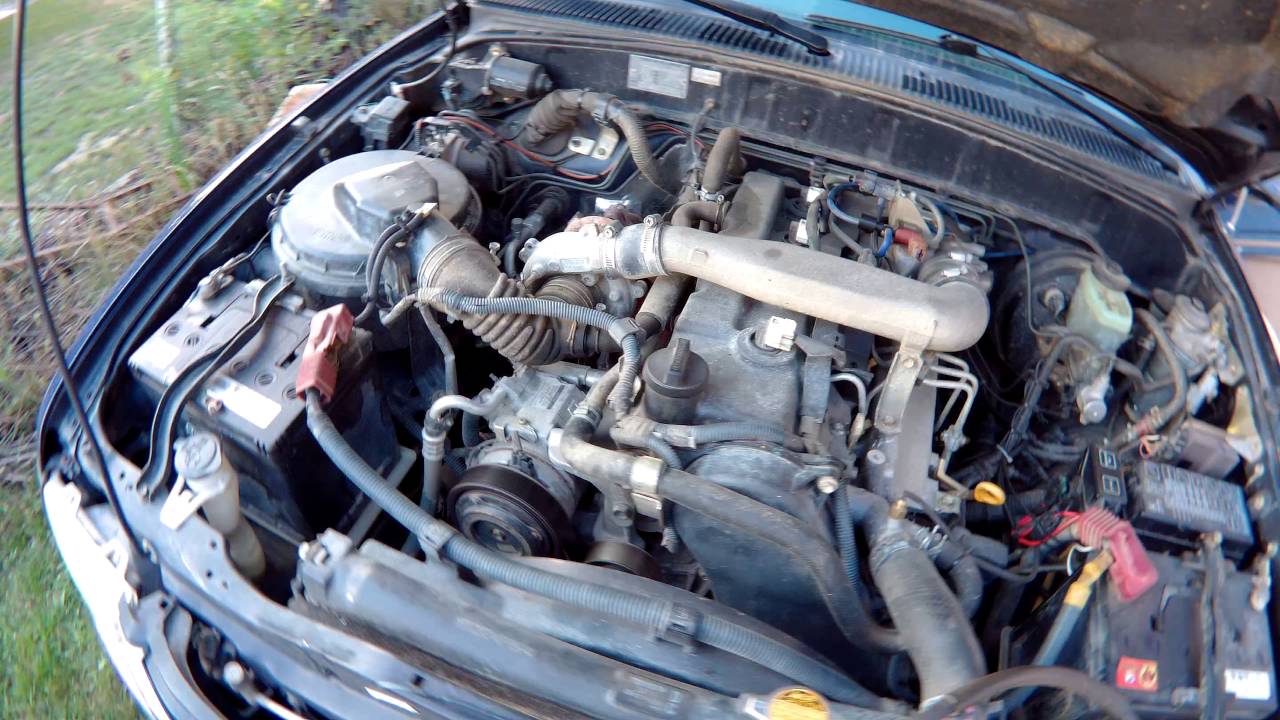
Engine: A wider range of more modern engines:
-
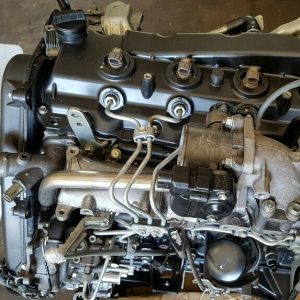
Diesel: The legendary 1KD-FTV (3.0L Turbo Diesel) was introduced in this generation (from 2001 onwards). Earlier models used the 5L-E (3.0L N/A diesel) and the 3L (2.8L) continued in some markets.
-
Petrol: The 3RZ-FE (2.7L) and the 2TR-FE (2.7L) were common and highly regarded for their reliability.
-
-
Suspension: Front Solid Axle with torsion bars (a change from leaf springs). Rear remained leaf springs.
Strengths & Evolutionary Steps
The LN166 successfully modernized the Hilux without completely abandoning its roots.
-
The “Last of the Mohicans”:
-
This is the last Hilux you could buy with a solid front axle in most global markets. After this, the sixth generation (2005+) switched to Independent Front Suspension (IFS). For purists and hardcore off-roaders, the LN166 represents the end of an era and is highly sought after for its ultimate strength and articulation.
-
-
Major Interior & Comfort Upgrade:
-
Compared to the spartan LN106, the LN166’s interior felt like a modern car. Better seating, more sound deadening, improved ergonomics, and options like airbags and ABS made it a much more comfortable daily driver.
-
-
Introduction of the 1KD-FTV Engine (from 2001):
-
This was a game-changer. The 3.0L turbo-diesel engine provided significant power and torque (169 hp, 343 Nm) compared to the older 3L and 5L engines. It transformed the driving experience, making the Hilux powerful and responsive for the first time. (See our detailed 1KD explanation for its specific pros/cons).
-
-
Improved Torsion Bar Front Suspension:
-
Replacing the leaf springs with torsion bars provided a better on-road ride and improved handling, while still maintaining the strength of the solid axle.
-
-
More Body Style Options:
-
The popularity of the Double Cab version exploded with this generation, making it a true family vehicle that could also work hard.
-
Common Weaknesses & What to Look For
With increased complexity comes a new set of potential issues.
-
Rust:
-
While perhaps not as prone as the LN106, the LN166 still suffers from rust. Check the chassis rails, inner wheel arches, door sills, and tailgate thoroughly.
-
-
Engine-Specific Issues:
-
If equipped with the 1KD-FTV: You inherit all the known issues: D-4D injector failure, EGR clogging, and swirl flap actuator failure. A pre-purchase scan with an OBD2 reader is essential.
-
If equipped with the 5L-E (3.0L N/A Diesel): A reliable engine but notoriously slow. Check for head gasket issues.
-
If equipped with the 3RZ-FE (2.7L Petrol): A very reliable engine, but watch for oil leaks from the valve cover and oil pump seal.
-
-
Front Suspension Wear:
-
The torsion bar system uses upper and lower ball joints that wear out over time. Listen for clunking over bumps and check for play in the front end.
-
-
Automatic Hub Issues:
-
Many LN166 models came with automatic front locking hubs. These are a known weak point and can fail to engage or disengage properly. Many owners convert them to manual hubs for reliability.
-
-
General Age-Related Wear:
-
As a vehicle now approaching 20+ years old, expect wear on all rubber components, bushings, and seals.
-


Reviews
There are no reviews yet.